

Long after the floodwaters recede or the storm has passed, the emotional impacts of disaster can remain. The Wide Bay Hospital and Health Service’s Mental Health Disaster Recovery team is helping communities navigate those challenges, providing mental health support and connecting people with local services to foster resilience, recovery and wellbeing.
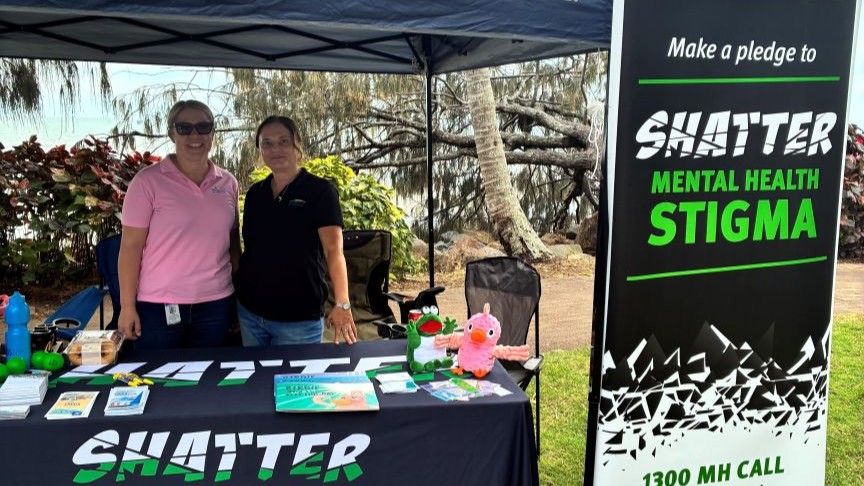
During Mental Health Week, themed Build Community, Build Wellbeing (3 – 11 October), the team took the opportunity to attend community events, including a local Get Ready event for disaster preparedness. They were able to raise awareness of the mental health impacts from disasters and promote the support available to assist with wellbeing and recovery.
These events also gave the team valuable opportunities to strengthen relationships with local organisations and other service providers that they work collaboratively with.
Disaster Recovery Clinical Nurse Consultant Kylie Edmonstone said the key message from her team was that recovery doesn't end when the immediate emergency is over; recovery takes time, connection matters, and nobody should have to recover alone.
” By continuing to look out for one another and work together, we can support the wellbeing of our communities now and help build resilience for whatever the future may bring,” she said.
“While much of the physical recovery after Tropical Cyclone Alfred impacted the region in 2025 may have taken place, the emotional impacts of a disaster can continue for months or even years.
“We encourage people to recognise that there is no single timeline for recovery, support is available, and reaching out for help is a sign of strength, not weakness.”
While the current Get Ready season is a timely reminder to be prepared for natural disasters, it’s also a time when people may feel anxious, especially if they have been impacted before.
“Past experiences can make severe weather, warnings or conversations about disasters feel overwhelming and bring back difficult memories,” Kylie said.
“People may experience anxiety, ongoing stress, grief, sadness, frustration, anger, uncertainty or a sense of being overwhelmed.
“We encourage people to acknowledge these feelings without judging themselves and to focus on practical steps that help them feel more prepared and in control. This might include preparing an emergency kit, knowing where to access reliable information, identifying trusted people they can contact and talking with family members about what they will do if an emergency occurs.
“If these feelings persist, affect daily life or become difficult to manage, reaching out to a GP, mental health professional or support service can help. People do not have to wait until they are struggling to seek support.”
Kylie said her team welcomed opportunities to provide wellbeing information and training which includes age-appropriate evidence-based programs that help people understand common emotional responses to disasters and develop practical coping strategies. Individuals or organisations that would like to learn more about the support available can contact the Mental Health Community Engagement team by phoning 41285400.