
A more coordinated approach between specialist mental health programs is helping deliver better outcomes for patients.
Wide Bay Hospital and Health Service (WBHHS) has an established Mental Health Community Engagement team which operates under one service that enables staff to work collaboratively, share expertise and deliver coordinated mental health care.
The team also strengthens partnerships with internal services and external agencies, ensuring patients receive care that supports their overall wellbeing, respects their culture, and focuses on recovery.
Mental Health Community Engagement Nurse Unit Manager Trish Taylor said one of the team’s key strengths is its ability to be flexible in response to emerging community needs.
“Our team works across traditional service boundaries and develops strong partnerships with consumers, families, community organisations, and other health providers,” she said.
“Bringing specialist programs together in one stream is improving access to mental health care, supporting cultural understanding and creating a more coordinated patient-centred service.
“Each program has a distinct focus and target population while working collaboratively to provide integrated care and support across the broader mental health service.”
Specialist mental health services, include:
- Early Psychosis
- Together in Mind Program
- Perinatal Mental Health
- Infant Mental Health
- Crisis Support Spaces
- Suicide Prevention
- Disaster Recovery
- Multicultural Mental Health Coordinator
Multicultural focus
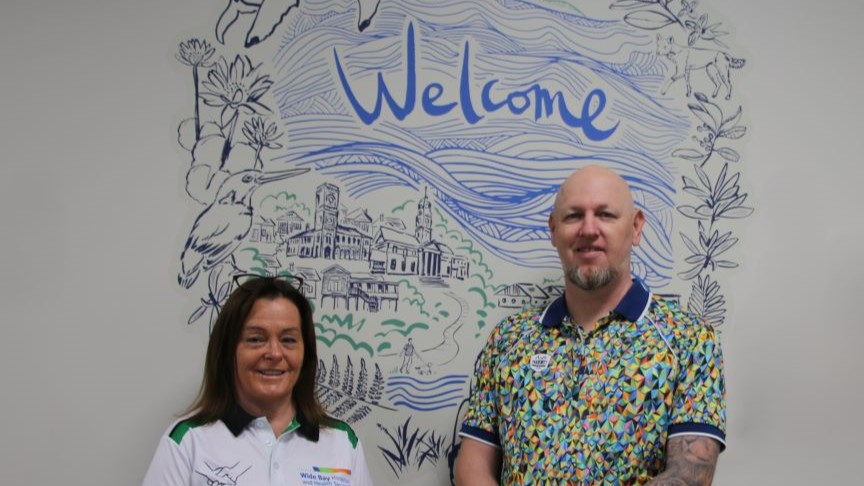
Servicing the whole Wide Bay region and the first in his role as Multicultural Mental Health Coordinator for WBHHS is Gordan Plains.
Gordan plays a key role in improving access to culturally appropriate mental health care for people from culturally and linguistically diverse backgrounds across local health services.
“I support patients by ensuring their care reflects their cultural needs,” he said.
“I work closely with clinicians, contributing to case discussions, conduct joint assessments and review case management plans to improve outcomes.
“This allows service users and their families, carers, and communities to feel understood, respected, and safe which leads to better engagement and trust.
“There is significant evidence that shows when care is culturally responsive, service users are more likely to attend appointments and follow care plans.
“This results in better health outcomes for people who are culturally and linguistically diverse.”
Community engagement is another major focus where stronger relationships are built between the health service and local multicultural communities.
Gordan explained his role comes with some challenges while navigating cultural differences and working within system constraints. However, he sees these as opportunities to strengthen collaboration, build workforce capacity, and provide advice for more culturally responsive care.
Staff training is another aspect of Gordan’s role which enhances understanding of cultural differences in diverse mental health beliefs.
“Culturally competent staff have the confidence to work with people from culturally and linguistically diverse communities supporting safer and more effective care delivery,” Gordan said.
He also believes accurate cultural census data is crucial for both service planning and equity in mental health care.
“Ultimately, high-quality cultural data leads to better targeted services, improved health outcomes, and greater equity across diverse communities.”